PUTTING PEOPLE FIRST
BY TREVOR HOWARD
In June I represented the IAWF at the Global Fire Management Hub (Fire Hub) Plenary in Rome, Italy, held by the Food and Agriculture Organization (FAO) of the United Nations. At a time when climate and global fire regimes are rapidly changing, and many countries are experiencing wildfires and impacts in areas, seasons and at scales beyond the norm, the plenary marked a significant turning point in international collaboration and knowledge sharing.
Bringing together in Rome more than 160 organisations from more than 50 countries, with many more participating online, the Fire Hub Plenary included perspectives from governments, non-government organisations, researchers, policy makers, practitioners and Indigenous groups. There was a strong focus on Integrated Fire Management (IFM), drawing upon the work of Ronald Myers, first published in 2006 by The Nature Conservancy as Living with Fire: Sustaining Ecosystems and Livelihoods Through Integrated Fire Management. IFM is holistic, spanning the 5Rs – Review and analysis, Risk reduction, Readiness, Response, and Recovery – with an emphasis on integrating ecological and socio-economic factors.
While IFM includes wildfire response, it is much more adaptive, with Community based Fire Management as a significant component involving participatory approaches as well as local leadership, knowledge and practices. The Fire Hub Plenary featured many speakers and case studies on IFM and participatory community-led initiatives from Asia, Africa and South America as well as other continents.
Also present at the Fire Hub Plenary were many current IAWF members, past and present members of the board of directors and committees, and former presidents, all of whom are well connected across disciplines, organisations and continents. The Fire Hub Plenary was an exciting and rewarding opportunity for me to meet many of these folks in person for the first time and to reflect on how well established and effective the IAWF is at uniting the global wildland fire community. With roots going back to 1990, members in 33 countries, global communications through the International Journal of Wildland Fire, Wildfire magazine, and the Wildfire Today website, as well as international conferences, symposia and workshops on climate, fuels, fire behaviour, smoke, strategy, human dimensions and safety and many more programs to support people, the reach and influence of the IAWF is significant. The IAWF will continue to engage with and contribute to the Fire Hub as it develops and evolves through partnerships and action.

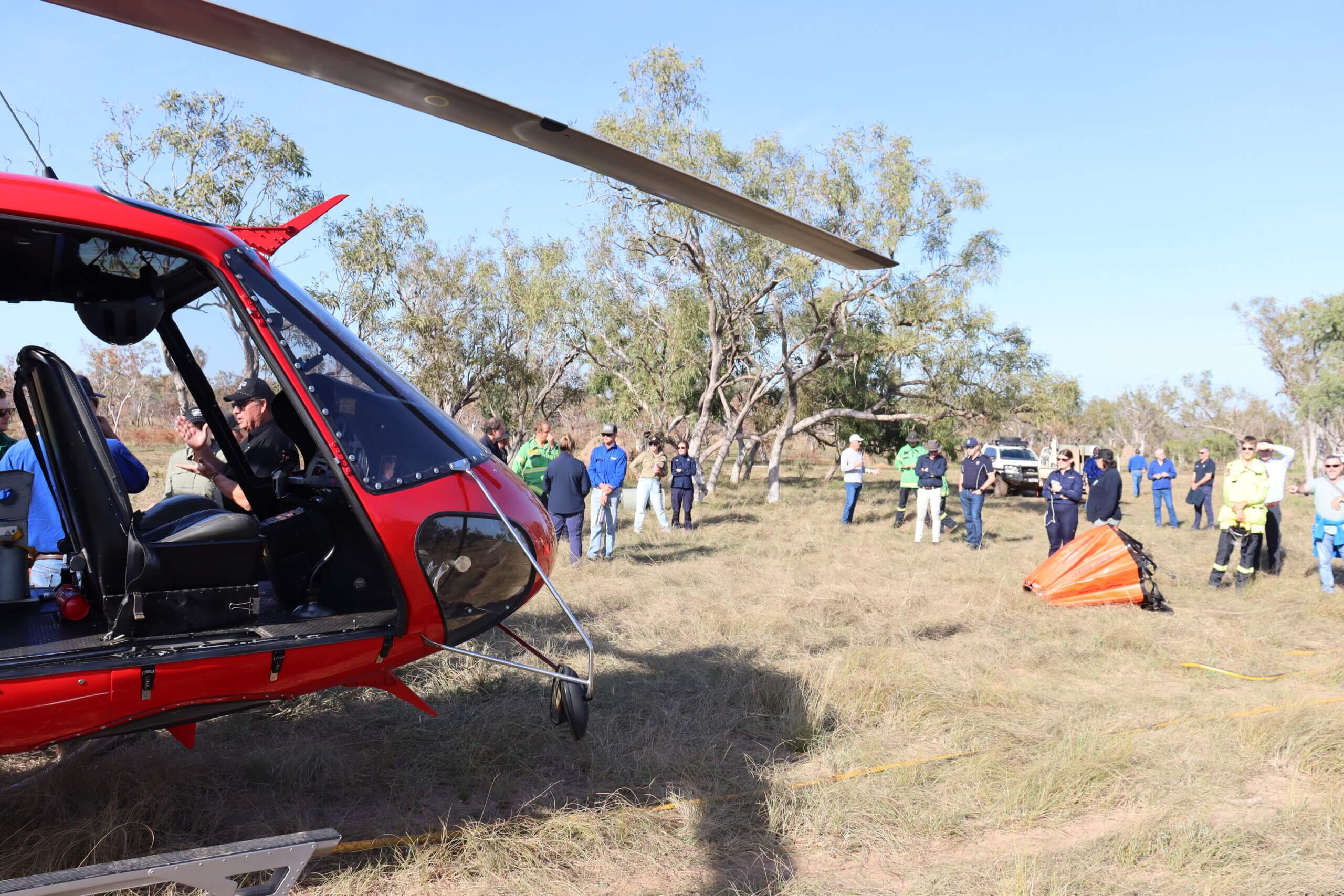
As an Australian, in July I was again fortunate to be involved in an event that brought into focus many outstanding examples and successes of IFM and Community-based Fire Management in my own country. Since 1998 the North Australia Fire Managers Forum has brought together fire managers and practitioners from across the fire-prone tropical savanna regions of northern Australia. The recent forum, in Broome, was held on the traditional lands of the Yawuru people, and included fire agencies, Indigenous groups, nongovernment conservation organizations, pastoralists and researchers.
Through sharing experience and knowledge in managing landscapes for biodiversity, ecosystem services, greenhouse gas abatement, carbon sequestration and other aspects of land management that support cultural and economic benefits, two things stood out. First, vast areas of northern Australia that were previously dominated by unsustainable wildfires are now well-managed by Indigenous-led programs involving traditional knowledge, western science, and technology including crewed and un-crewed aircraft for ignition and satellites for monitoring and evaluation. These landscapes were managed with fire for tens of thousands of years and are now back under Indigenous fire stewardship after decades of disruption. Second, where these successful programs occur, the resulting landscape and community resilience show minimal requirements for wildfire response and the associated high levels of expenditure.
The shift from response to IFM is a central tenet of the Fire Hub’s global mission.
The focus on people and communities is critical. Just recently, we’ve seen the tragic loss of firefighters in Turkey and all of us who work in fire management feel that very deeply. Regardless of your role, working in wildland fire management can be demanding, and in some cases dangerous. As climate and fire regimes change, so too will the operational tempo and the effects on all people involved. While individual, cultural and organisational approaches to wellbeing vary, fundamentally people matter. In October, the IAWF held the 18th International Wildland Fire Safety Summit and the 8th Human Dimensions of Wildland Fire Conference in Calgary, Alberta, Canada. The conference was a great opportunity to share, learn and improve, but also to reflect on the impacts that wildfires and fire management have on people and communities. The IAWF launched the IAWF Position Statement: Health & Wellbeing in the Wildland Fire Sector. This paper will be a call to action at every level.
 Trevor Howard, IAWF President, is the national manager, prescribed burning strategy, with the Australasian Fire and Emergency Service Authorities Council (AFAC). Based at the Bushfire Centre of Excellence in Western Australia, Howard leads national capability development for prescribed burning and supports rural fire services, land management agencies and non-government organisations with continual improvement.