THE NORWEGIAN CHAIRSHIP’S WILDLAND FIRE INITIATIVE: HOW NORWAY LIFTED WILDFIRES TO THE TOP OF THE ARCTIC COUNCIL’S AGENDA
BY AMBASSADOR MORTEN HØGLUND
During one of my first public engagements as Chair of the Senior Arctic Officials of the Arctic Council in August 2023, Yellowknife, the capital of the Northwest Territories, was evacuated due to wildland fires. It was the first time a territorial capital in Canada faced such an evacuation. Nearly 70 per cent of the Northwest Territories’ population, including many of our friends and their families, were temporarily displaced. Colleagues attending an event with me in Norway struggled to reach their loved ones.
Looking back, the 2023 Canadian wildfire season was unprecedented, with more than 6,600 fires burning across 15 million hectares, setting a record. Yet, this was not an isolated event but rather part of a growing trend. Since 2018, the number of wildfires in the Arctic has more than tripled. Record-breaking fire seasons have swept across Russia, Sweden, and even Greenland, where peat fires occurred following an unusually warm and dry summer.
It has become increasingly clear that wildland fires are not just a consequence of climate change but also a significant driver of it. These fires reshape landscapes, threaten biodiversity, and fire resilience across the Arctic region. As the premier forum for Arctic collaboration, we saw a need for the council to continue to provide robust recommendations to policymakers and offer practical solutions to help communities prepare for this growing threat. endanger human lives and livelihoods. Recognizing that wildland fires had become a prime example of why circumpolar cooperation is critical, Norway – in our capacity as Chair of the Arctic Council – established the Chairship’s Wildland Fires Initiative (WFI) in October 2023, in collaboration with Gwich’in Council International (GCI), one of the Indigenous Permanent Participants in the Arctic Council.
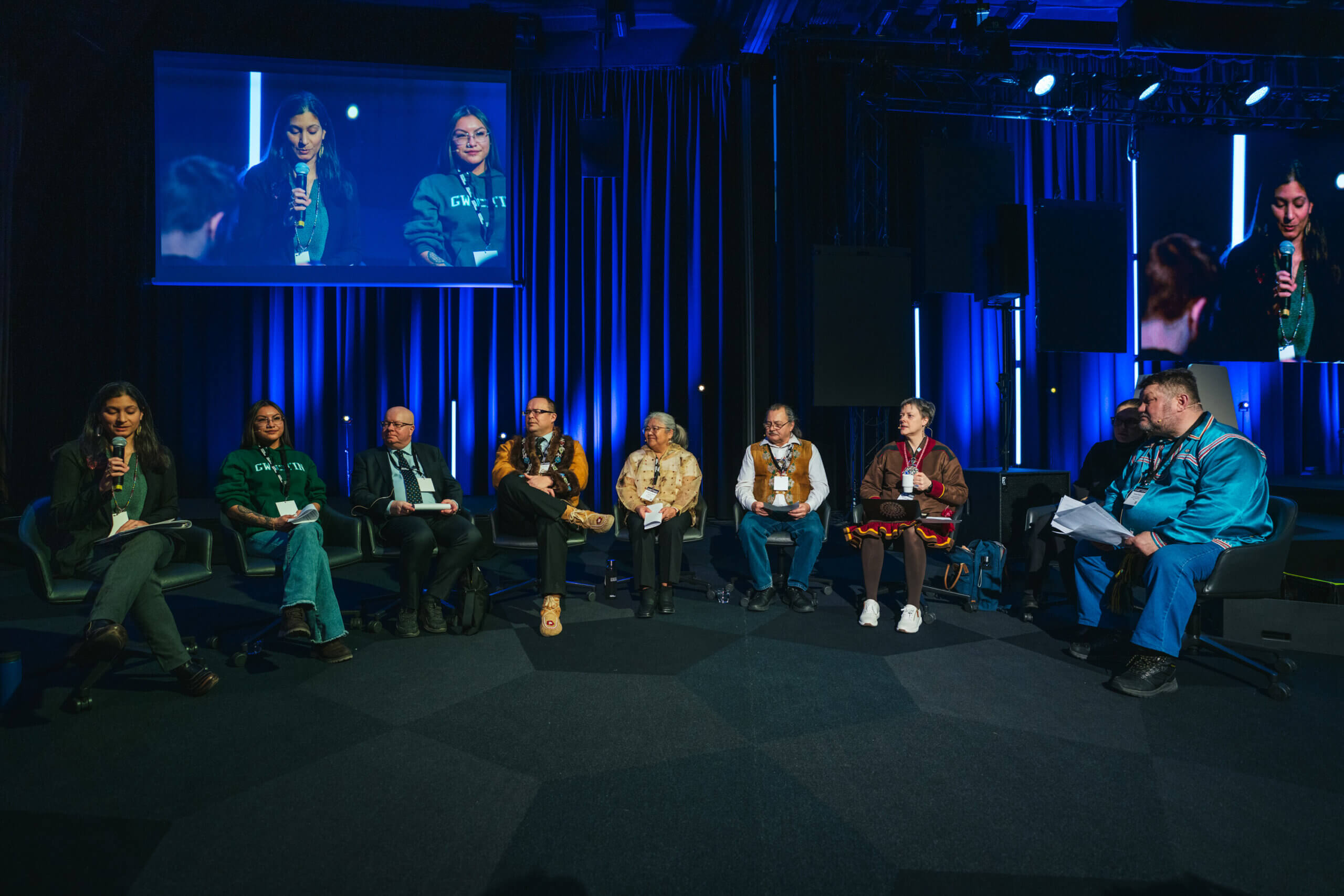
Our goal was to elevate Arctic wildland fires as an urgent climate-change issue on the Arctic Council’s agenda and beyond. We aimed to deepen understanding of fire causes and impacts on Arctic ecosystems and communities, while building on the excellent work already underway within the council.The Arctic Council has a strong history of wildfire-related research. Key assessments such as the 2004 Arctic Climate Impact Assessment and the Arctic Monitoring and Assessment Programme’s (AMAP) 2015 report on black carbon laid a foundation for understanding wildfire emissions. Yet, it is fair to say that it was GCI, under the leadership of Edward Alexander, that drove momentum to make wildland fires a crosscutting council priority during the Finnish chairmanship (2017 to 2019). GCI’s efforts spurred groundbreaking projects on fire ecology mapping, real-time monitoring, and emergency response, developed with the council’s Conservation of Arctic Flora and Fauna (CAFF) and Emergency Prevention, Preparedness, and Response (EPPR) Working Groups.
With the Wildland Fires Initiative, we sought to build upon these efforts, ensuring that these projects and efforts would help inform and shape discussions and strategies for wildland fire resilience across the Arctic region. As the premier forum for Arctic collaboration, we saw a need for the council to continue to provide robust recommendations to policymakers and offer practical solutions to help communities prepare for this growing threat.
The Wildland Fires Initiative was designed around three guiding objectives: identifying knowledge gaps and best practices; enhancing knowledge generation and sharing; and improving overall understanding and awareness of Arctic wildland fires. By bringing together experts, Indigenous Knowledge Holders, and policymakers, the initiative sought to foster improved knowledge sharing and strengthened partnerships with Arctic Council Working Groups, Observer States and Observer International Organizations, as well as the European Union.
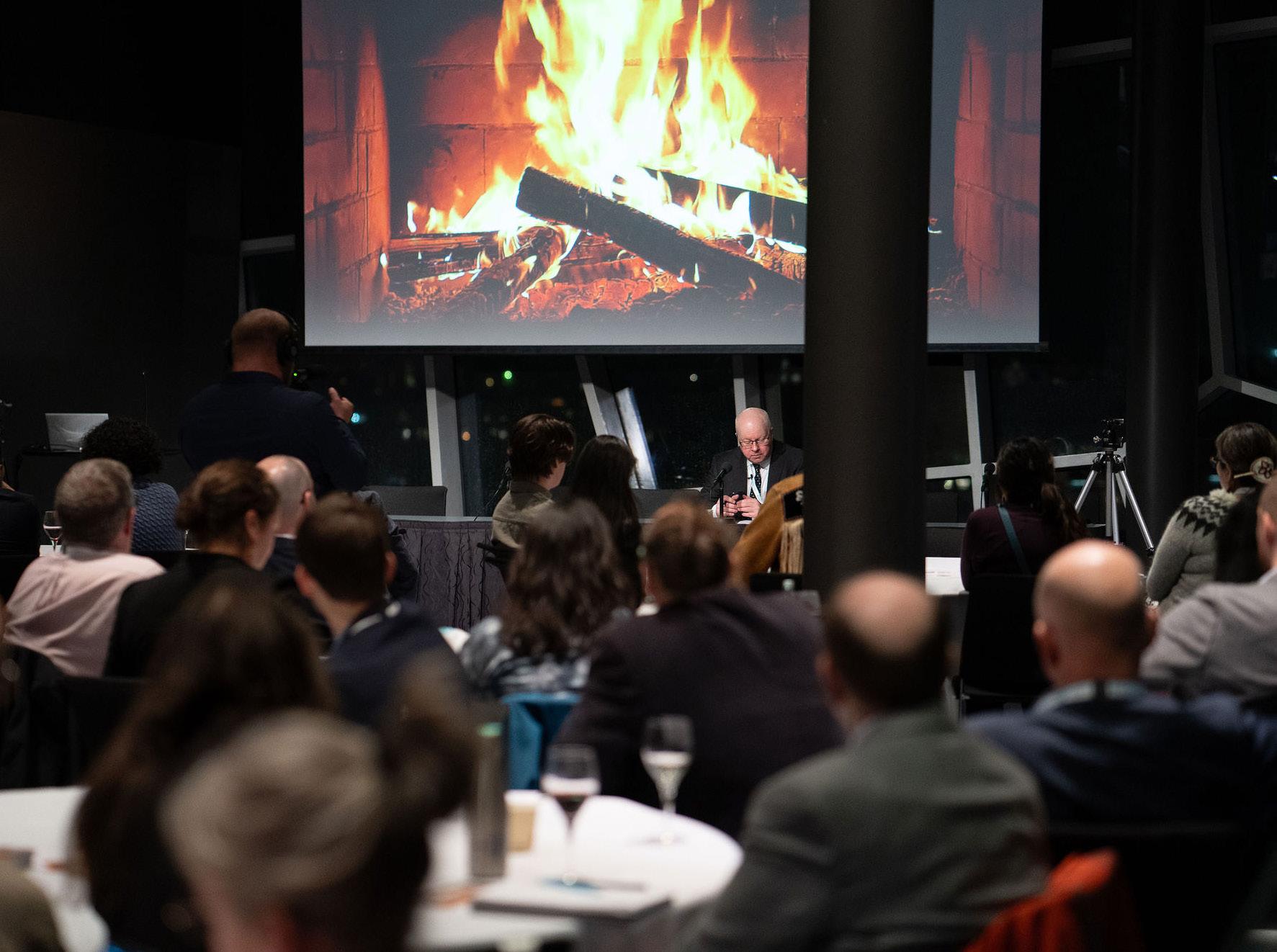
Key deliverables included a discussion series and an outreach campaign, which created a vital platform and unique knowledge hub to raise awareness, deepen understanding, and reinforce international cooperation on wildland fires. Through more than 10 events, including sharing circles, plenaries, and keynote addresses, we facilitated the exchange of stories, experiences, project findings and ideas. By pooling in-house expertise, this collaborative approach enhanced the council’s ability to engage in informed dialogue to the escalating threat to Arctic ecosystems, communities and the global climate.
When we started the initiative, I wasn’t deeply familiar with the complexities of wildfire. There are so many facets that the initiative has been able to cover, from the cultural burning practices of Arctic Indigenous Peoples to the need for international cooperation – from the social impacts of fires and evacuation orders to the unparalleled effects fires can have on the global climate system. Yet, what struck me most were maybe the personal stories we heard: ashes raining from the sky; a pregnant woman trapped in her home because of smoke; young people fearing for their incomes as they evacuated. These stories vividly illustrated how wildfires affect everyday lives, mental and physical health, and even simple joys, such as spending summer’s first days outside after a long, dark winter.
At its core, the Wildland Fires Initiative was about learning from one another, but it also emphasized that there is no easy fix, no quick solution, and that fires will always occur. The challenge is to prevent catastrophic consequences. I believe we’ve shown that the Arctic Council is committed to this issue and uniquely positioned to unite diverse voices, from Indigenous perspectives to civil society and emergency preparedness expertise.
As the Wildland Fires Initiative concludes, we can reflect on the progress made, but we also recognize the urgent need to continue to address the increasing threat of wildfires in the Arctic due to climate change. The initiative emphasized the importance of sustained cooperation, coordinated efforts, and stronger outreach. I trust we have laid a foundation for this vital work to carry on at the highest levels of the Arctic Council.
Ashes raining from the sky; a pregnant woman trapped in her home; young people fearing for their income — these stories brought home the human cost of wildfires.
For now, I would like to thank everyone who has contributed to the Wildland Fires Initiative, the council’s Permanent Participants, Working Groups, Observers, External Experts, and Knowledge Holders, as well as the Arctic Council Secretariat and the Indigenous Peoples’ Secretariat. My special thanks go to Gwich’in Council International and my co-chair in this initiative, Edward Alexander. We look forward to working closely with you all in the coming years. We have a lot of important work ahead of us.
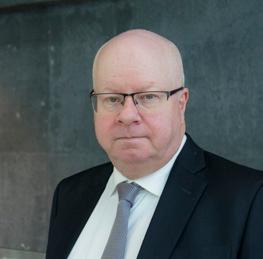
Høglund is a former politician and was a member of the Norwegian Parliament from 2001 to 2013. From 2010 to 2013, Høglund served as the chair of the Standing Committee of the Parliamentarians of the Arctic Region. From 2013 to 2015 Høglund served as state secretary for foreign affairs.